A Brief Guide to the Types and Examples of Realism Tattoos
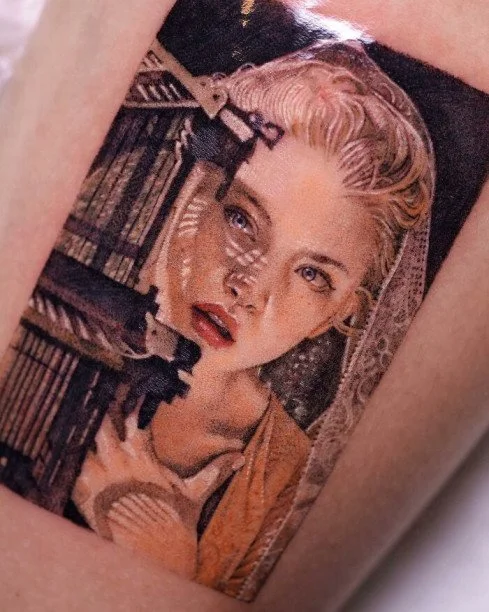
Tattoos have evolved far beyond simple designs and symbols. Today, many people are drawn to realism tattoo styles that look authentic, where every detail, shadow, and texture is carefully crafted to match real life.
These tattoos focus on creating images that look as close to reality as possible. This style aims to replicate real-life visuals directly onto the skin. The result is a tattoo that often looks more like a photograph than traditional body art.
In this guide, we will break down what realism tattoos are and look at examples to help you understand why this style continues to grow in popularity.
Source: Pinterest
Why Realism Tattoos Are So Popular Today
One of the main reasons realism tattoos are in such high demand is their lifelike appearance. The high level of detail makes these tattoos resemble photographs, which helps create a stronger emotional connection, especially when the design represents a meaningful person, memory, or moment.
In fact, 69% of tattooed individuals say they got a tattoo to honor or remember something important. Realistic tattoos suit this purpose well because they capture exact details rather than relying on symbolic or abstract imagery.
Social media platforms like Instagram and TikTok have also contributed to their popularity. Realism tattoos tend to stand out in photos and videos, which further increases interest in this style.
Four Types of Realism Tattoo Ideas
Now that you understand why realism tattoos are popular, let’s go through the most common types so you can see what works best for you.
Source: Pinterest
1. Black and Grey Realism Tattoos
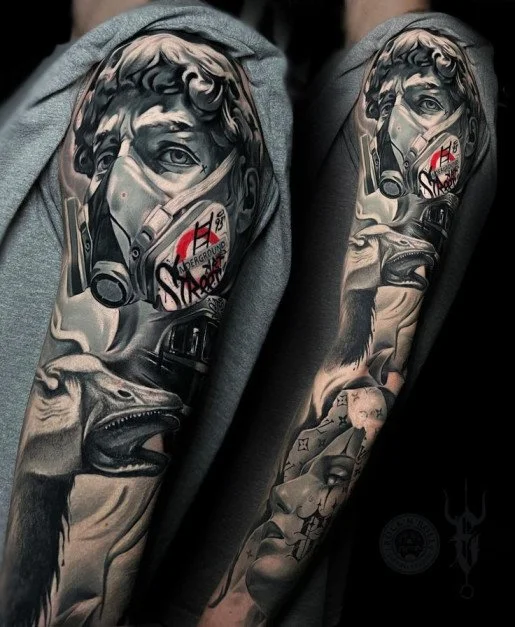
Black and grey realism tattoos use only black ink and different shades of grey to create the design. This style is known for its smooth transitions between light and dark areas. Artists build the image layer by layer, which creates a soft and realistic effect.
Because there is no color involved, the tattoo often looks more subtle and timeless. Many people choose this style for portraits, religious designs, or detailed artwork where emotion and expression matter more than color.
Source: Pinterest
2. Color Realism Tattoos
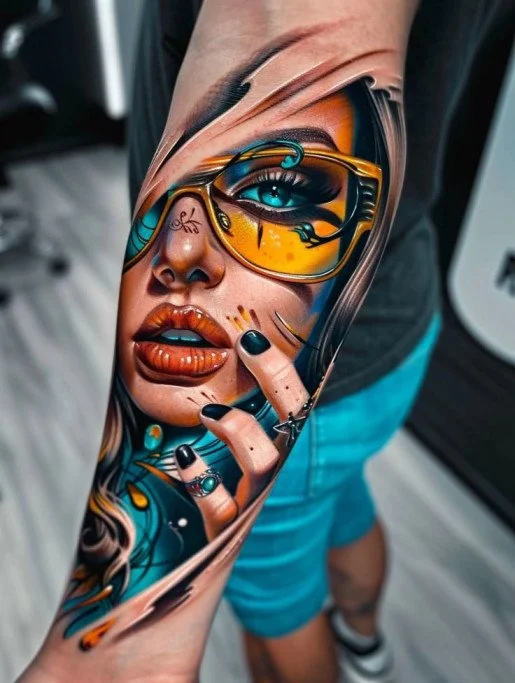
Color realism tattoos use multiple shades to match real-life colors as closely as possible. It aims to recreate how something looks in reality, including skin tones, lighting, and textures. In fact, these tattoos can look very striking because of the added depth.
For instance, a flower tattoo can display subtle color variations in the petals, while a portrait can feature realistic skin tones and natural highlights. People who want bold, eye-catching tattoos often choose the color realism style.
Source: Pinterest
3. Portrait Realism Tattoos
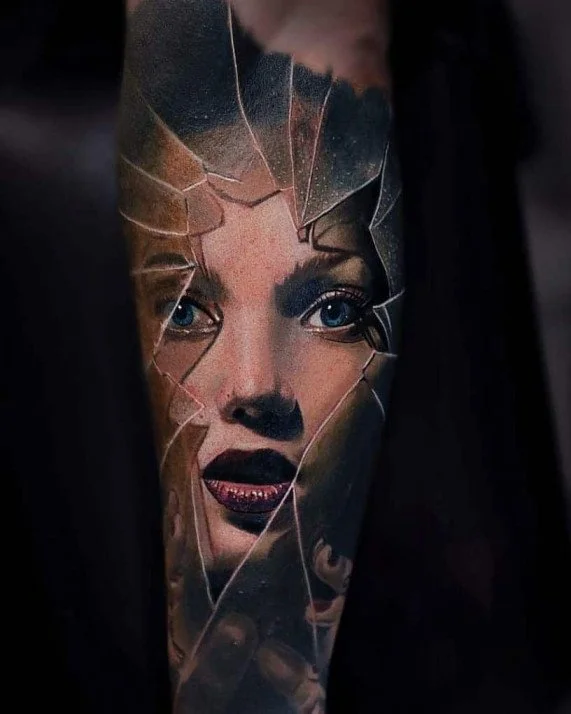
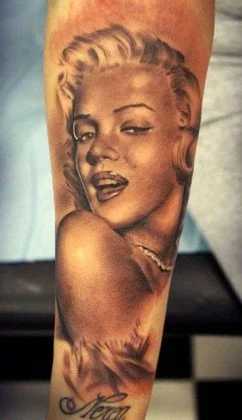
Portrait realism tattoos focus on capturing a real person’s face as accurately as possible. However, these are one of the most challenging types of realism tattoos because even small mistakes can make the face look off.
Due to this, it is very important to choose an experienced artist for this type of realism tattoo, as they have the skill to make sure the face looks the same. Many people choose such portrait tattoos to honor loved ones, family members, or important figures in their lives.
Source: Pinterest
4. Animal Realism Tattoos
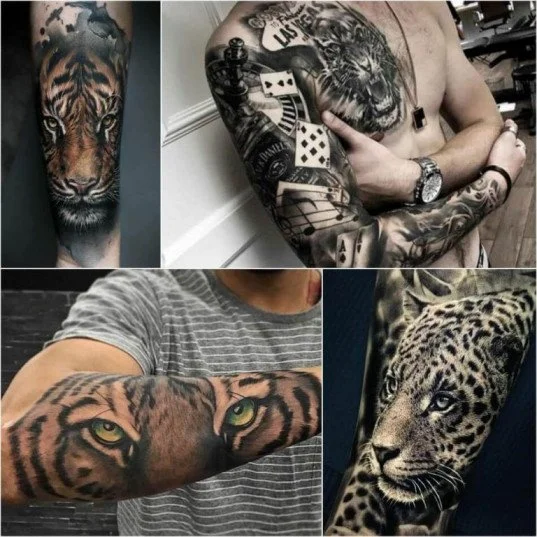
Animal realism tattoos focus on capturing animals in a lifelike way. This can include pets, wildlife, or symbolic animals that hold personal meaning. The key element in this style is the texture.
Realism tattoo artists pay close attention to details such as fur, feathers, eyes, and shadows to make the animal appear as lifelike as possible. Many people choose this type of realism tattoo to honor their pets or express a personal connection to a particular animal.
Examples of Realism Tattoos (Inspire Your Next Design)
Realism tattoos can be very personal, but they can also be inspired by art, culture, or everyday objects. Below are several categories with examples to help you explore a wide range of design possibilities.
Source: Pinterest
1. Celebrity and Portrait Tattoos
Portrait realism tattoos are often chosen to capture a real person with accuracy and emotion. These designs focus on facial details, expressions, and small features that make the person recognizable.
Family Member Portrait: A tattoo of a parent, child, or loved one. This usually represents love, memory, or tribute, especially for someone important in your life.
Memorial Portrait: Often done in black and grey, these tattoos honor someone who has passed away. Dates or small text are sometimes added for deeper meaning.
Historical Figure: Tattoos of figures like leaders or icons represent values such as strength, courage, or change.
Childhood Photo Tattoo: A recreation of an old photograph, mostly chosen for emotional value and nostalgia.
Source: Pinterest
2. Nature and Wildlife Tattoos
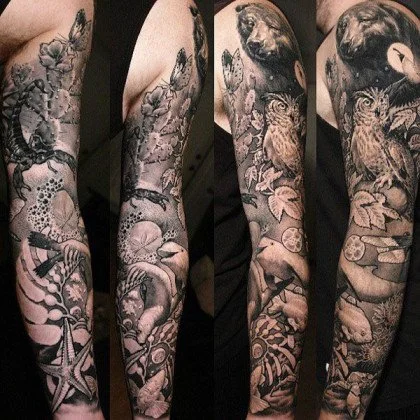
Nature-based realism tattoos are popular because they combine detail with symbolism. The main idea behind these tattoos is to reflect personality, beliefs, or a connection to the natural world. Some examples include:
Lion Tattoo: Represents strength, leadership, and confidence. Realism tattoo artists focus on details like the mane and facial expression to create depth and lifelike texture.
Wolf Tattoo: Often associated with loyalty, independence, and instinct. The eyes, fur texture, and shading are carefully crafted to enhance realism.
Ocean or Wave Tattoo: Can represent freedom, change, or emotional depth. Movement and flow are key elements in this design.
Night Sky or Galaxy Over Nature: Combines elements like stars, moon, and landscapes to create a sense of space and imagination.
Flower Realism (Rose, Lily): Flowers carry different meanings. For example, roses usually represent love, while lilies can symbolize purity or remembrance. These are the best options of realism tattoos for females.
Source: Pinterest
3. Still-Life Tattoos
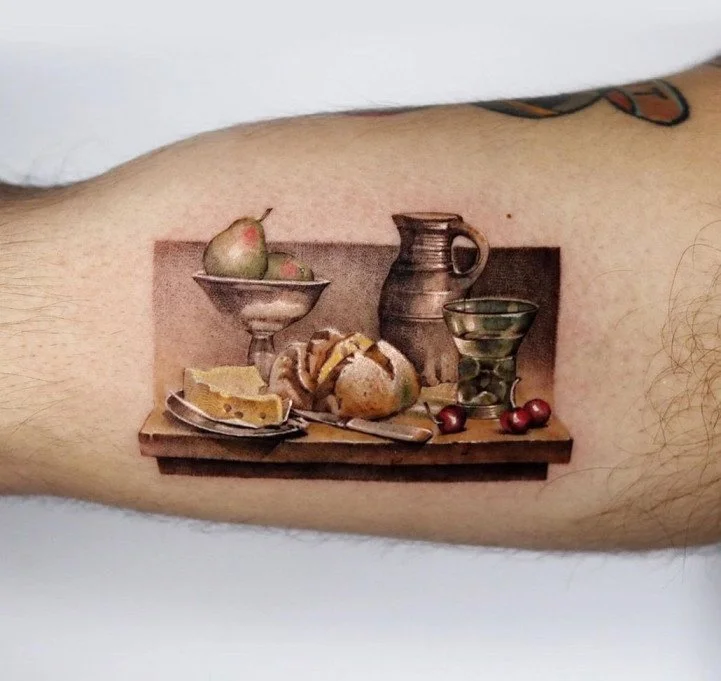
Still-Life realism tattoos focus on everyday objects, bringing them to life through intricate detail and shading. These designs carry symbolic or personal meaning for the individual. Some popular examples include:
Clock or Watch: Represents time, life stages, or an important moment. Broken clocks can symbolize loss or change.
Skull Tattoo: It is a common realism tattoo design that depicts mortality, strength, or transformation.
Eye Tattoo: A highly detailed choice that can symbolize awareness, truth, or protection. The reflection inside the eye adds depth.
Camera or Film Reel: Popular among creatives, representing passion for photography or storytelling.
Candle or Flame: This tattoo can symbolize life, hope, or act as a meaningful tribute to someone or something cherished.
Source: Pinterest
4. Pop Culture Realism Tattoos
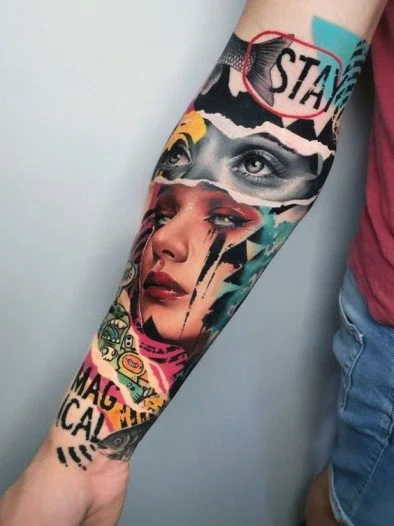
Pop culture tattoos draw inspiration from movies, TV shows, video games, and iconic fictional characters. Realism brings these designs to life in a way that feels almost cinematic, capturing each character's essence and personality. If you’re considering a pop culture tattoo, here are some popular ideas:
Movie Character Portrait: Characters from films or series represent personality traits or favorite stories.
Superhero Tattoo: Designs based on heroes can symbolize strength, justice, or resilience.
Villain Portrait: Some people choose villains to show complexity, rebellion, or inner struggles.
Scene Recreation: Recreating a specific moment from a movie or show adds emotional depth and personal significance.
Fantasy Creatures (Dragons, Mythical Beings): These designs blend realism with imagination, representing power, mystery, or creativity.
Source: Pinterest
5. Religious Realism Tattoos
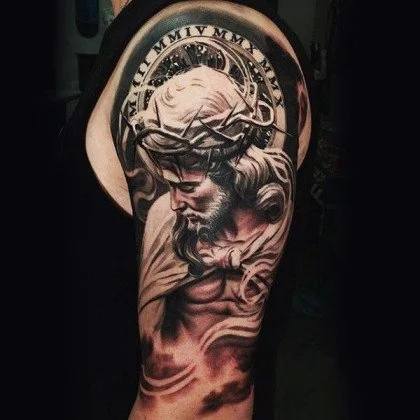
These tattoos focus on belief, inner peace, and personal values. Realism enhances the emotional impact, capturing subtle expressions, light, and intricate details that make the design feel lifelike and meaningful.
Angel Tattoo: Symbolizes protection and guidance. Detailed wings and facial expressions create a strong visual presence.
Praying Hands: Represents faith, hope, or remembrance. Realistic skin texture and positioning add authenticity.
Cross with Texture Detail: Wood or metal textures give a lifelike look, adding depth to a simple symbol. It represents faith, sacrifice, and a personal connection to spiritual beliefs.
Jesus Christ Portrait: Conveys sacrifice, faith, and compassion. Shadows and facial expressions enhance emotional resonance.
Buddha Tattoo: Highlights calmness, balance, and serenity. Facial details play a key role in conveying tranquility.
Source: Pinterest
6. Horror and Dark Realism Tattoos for Men
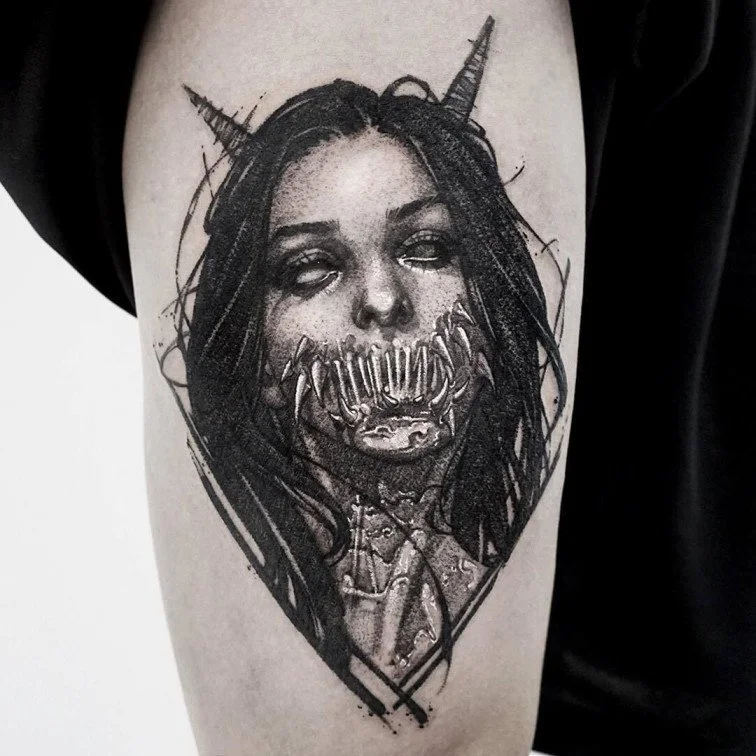
Horror and dark realism tattoos focus on intensity, contrast, and dramatic visual impact. These designs are bold, using deep shadows, sharp details, and expressive features to make a strong statement.
Zombie or Undead Face: Showcases decay and damaged skin, with intricate texture and lifelike effects.
Devil Design: Sharp features and heavy shadows create a strong, aggressive look.
Cracked Skull Tattoo: Adds realism through cracks and texture, symbolizing mortality and impermanence.
Dark Forest Scene: Uses light and shadow to evoke mystery, tension, or unease
How to Choose the Right Example
With so many options, the best choice is the one that resonates with you personally. Some people prefer emotional or portrait-based designs, while others are drawn to symbolic, artistic, or fantastical tattoos. Focus on what connects with your story or values, not just what looks visually appealing.
Do Realism Tattoos Hurt More?
Realism tattoos don’t necessarily hurt more than other styles, but they can feel more intense because of how they’re created. Simple tattoos are usually completed faster, using basic outlines and minimal shading. Realism tattoos, on the other hand, require slow layering, detailed shading, and frequent adjustments.
Because of this, the needle stays on the skin for a longer period. That extended exposure is what increases discomfort. Even if the pain level itself isn’t higher, the longer session can make it feel more intense. A tattoo pain chart can help you understand which areas of the body tend to be more sensitive.
Tips to Manage Tattoo Pain
While some discomfort is expected, there are simple ways to make the experience easier. Here are the tips to manage tattoo pain:
Choose the Right Placement: If it is your first tattoo, go for an area with more muscle and less bone, such as the thigh or upper arm. These areas usually feel less intense.
Get Enough Rest: Being well-rested helps your body handle pain better. When you are tired, your pain tolerance drops, and even small sensations can feel stronger.
Stay Hydrated and Eat Beforehand: Your body needs energy to handle long sessions. Eating a proper meal and drinking enough water helps keep your blood sugar stable and prevents dizziness.
Take Breaks When Needed: Long sessions can build up discomfort over time. Taking short breaks gives your body a chance to relax and reset.
Follow Aftercare Instructions: Proper tattoo aftercare helps your skin heal correctly and reduces irritation. Keeping the area clean, moisturized, and protected prevents unnecessary pain.
How Long Do Realism Tattoos Last?
In general, a well-done realism tattoo can last 10 to 20 years or more, but the sharpness and fine details may soften gradually. This happens because realism relies on subtle shading and small details.
Compared to traditional tattoos, realism tattoos can fade more noticeably. This is because they do not use thick outlines or solid colors to hold the design together.
Over time, these lighter tones can lose contrast, making the tattoo look less sharp. Even though the tattoo doesn’t disappear, the detail doesn’t look as crisp as it did when new.
Placement also matters. Tattoos on areas that experience more movement or friction, like hands or fingers, tend to fade faster than those on more stable areas like the upper arm or back.
FAQs
1. What technical challenges do titanium dioxide pigments present in realism tattoos?
Titanium dioxide and zinc oxide are heavy, dense compounds utilized to create the stark white highlights essential for wet or reflective textures in realism tattoos. However, these massive pigments are highly reactive to ultraviolet light and the body's biochemistry. Over time, white highlights frequently oxidize, turning a yellowish hue, or are entirely cleared by the immune system, leading to a profound loss of optical shine.
2. What is the difference between hyper-realism and photorealism tattoos?
While photorealism demands the strict, highly accurate translation of a photographic reference onto the skin, hyper-realism pushes the aesthetic significantly beyond biological reality. It exaggerates cast shadows, deepens contrast ratios, and intensifies lighting effects to create an impossible depth of field. Hyper-realism tattoos result in a surreal, high-definition visual impact that completely transcends standard observational photography.
3. How does needle taper geometry impact pigment saturation in realism tattoos?
A short needle taper creates a larger puncture profile, depositing significant amounts of ink rapidly, which is ideal for aggressive color packing but destructive to tissue if overworked. Conversely, an extra-long taper leaves a highly narrow puncture, depositing microscopic pigment loads per mechanical strike. This slow deposition is absolutely critical for the subtle, repetitive layering necessary to build smooth textures in realism tattoos.
4. What physiological factors dictate the timeline for healing realism tattoos?
The superficial healing of the epidermis involves extreme inflammation, plasma exudation, and rapid cellular desquamation, generally concluding within four weeks. However, the deep dermal remodeling and stabilization of the phagocytized pigment dictate the true timeline. Due to the delicate, layered nature of realism tattoos, it takes up to six full months for the tissue matrix to reorganize and the final contrast to settle.
5. What distinguishes the technical methodology of realism tattoos from traditional styles?
Realism tattoos completely abandon the use of bold, saturated outlines characteristic of traditional tattooing styles. Instead, this highly advanced modality utilizes complex tonal gradients, extensive micro-shading, and precise light-source mapping to generate a three-dimensional optical illusion on the dermis. The absence of anchoring lines requires profound expertise in contrast management to maintain long-term structural integrity.
Get a Realism Tattoo That Actually Looks Right
Choosing a realism tattoo is about finding the right artist who can handle detail, shading, and precision without compromising the final result. A good idea can easily turn into a poor tattoo if it is done without the right skill.
To get a professionally done tattoo, Aureo Roma is the place to visit.
Whether you are looking for fine line work, black and grey realism, or a custom design, the team is equipped to handle both simple and detailed pieces with care. You can simply walk in and get tattooed the same day or book in advance based on your schedule.